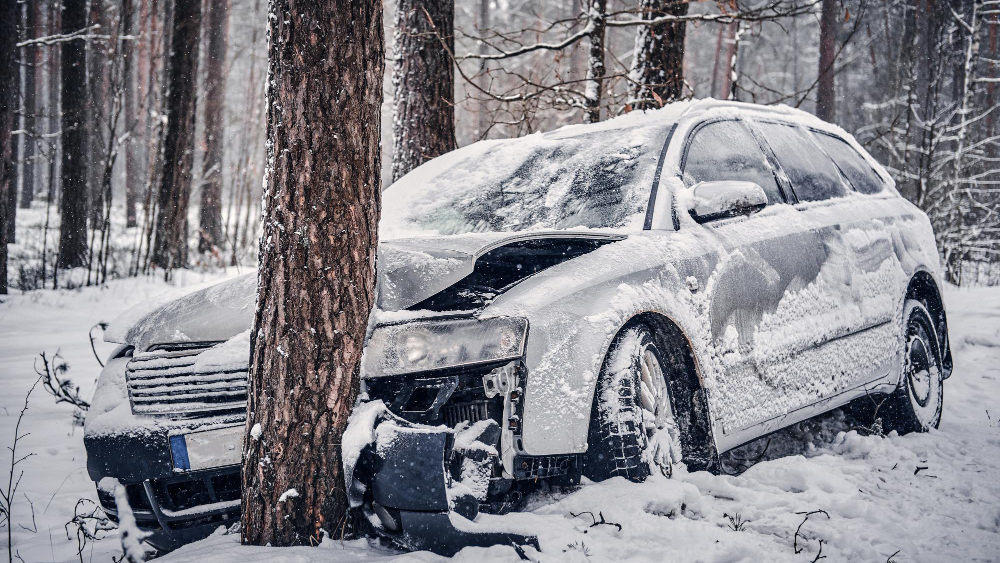
Winter brings about many hazards that outdoor workers don’t face during other seasons. For employees who spend a significant length of time on the road or outside, cold temperatures and reduced visibility can make otherwise routine tasks dangerous in no time. Delivery drivers, construction workers, and utility crews are particularly vulnerable, especially when heavy equipment, tight schedules, or extended exposure to weather increase risks.
Understanding common winter workplace injuries, employer responsibilities, and preventive measures can help workers stay safe and informed.
Common Workplace Winter Injuries
Winter hazards fall into three major categories, which include cold-stress injuries, slips and falls, and vehicle-related incidents.
Cold-stress Injuries
Cold stress occurs when the body loses heat faster than it can generate it, which can lead to life-threatening issues like hypothermia or frostbite.
Hypothermia affects the body’s core temperature and can lead to confusion, loss of coordination, and even death. Workers with underlying health conditions or those exposed to wet clothing or strong winds are at higher risk.
Frostbite is most common in extremities, like the ears, nose, fingers, and toes. Symptoms start with numbness and tingling, which may not seem like a big deal initially, but progress into skin hardening and tissue damage when left untreated.
Preventive measures include:
- Layering clothing
- Wearing insulated gloves and boots
- Taking regular warm breaks
- Monitoring each other for signs of cold stress
Employers are expected to provide their employees with adequate protective equipment and access to warm environments for breaks.
Slips, Trips, and Falls
Ice, snow, or rain create hazardous walking and working surfaces. Slip-related injuries are among the most common winter workplace injuries, according to the Bureau of Labor Statistics, which reports that falls on ice or snow account for thousands of injuries each year. Workers may slip on icy sidewalks, stairs, or loading docks, or stumble into holes and cracks in the ground when visibility is low (due to snow or fog).
Preventive measures include using ice-melt or traction mats, wearing footwear with adequate grip, and training workers to navigate icy surfaces with care. For rooftop workers, harnesses and other fall-protection equipment are an absolute must-have for safety.
Vehicle Crashes and Delivery Hazards
Delivery drivers and other driving-centric workers face an array of unique risks during winter. Reduced visibility, icy roads, and changes in traffic patterns can lead to collisions with objects, other vehicles, and even pedestrians.
In Corpus Christi, local news reported more than 80 accidents during a single winter morning in January 2025 due to freezing conditions. Though the magnitude of this incident is relatively uncommon, it points to how quickly conditions can become overwhelming, even for area residents.
Delivery drivers may also encounter hazards when exiting vehicles onto icy sidewalks, carrying heavy packages on slippery ramps, or navigating unshoveled parking areas. On top of that, fatigue and tight deadlines can worsen the risk. Employers are expected to provide clear guidance, proper equipment, and policies that afford drivers the opportunity to operate safely under winter conditions.
Employer Responsibilities Under OSHA
Although OSHA doesn’t have a specific cold-weather standard, its general duty clause requires employers to maintain a workplace that’s free from recognized hazards likely to cause death or serious physical harm.
Employer responsibilities for winter work include:
- Conducting hazard assessments for cold stress, icy surfaces, and vehicle-related risks.
- Providing training to help workers recognize symptoms of cold stress and prevent slips and falls.
- Supplying protective clothing, warm shelters, and safe walking surfaces.
- Maintaining vehicles for winter conditions, including tires, brakes, and defrosting equipment.
- Adjusting schedules and work assignments to limit exposure during the coldest or most hazardous conditions.
Employers are also expected to document training and safety procedures, as well as maintenance and mitigation measures. Failure to implement reasonable precautions can increase the risk of worker injuries and potential legal liability.
Workers’ Compensation and Legal Accountability
In Texas, workers who suffer winter workplace injuries are generally covered by workers’ compensation if the injury occurs in the course of employment. Workers’ compensation provides medical care and (some) wage replacement for injuries sustained while performing job duties.
Safety Practices for Workers
Understanding the specific risks present in winter conditions can help workers take steps to prevent injuries.
Outdoor Workers
For employees who work outside in cold or icy conditions, proper preparation is essential. Be sure to:
- Dress in layers with moisture-wicking base layers, insulating mid-layers, and water-resistant outer layers.
- Wear insulated gloves, hats, and footwear appropriate for ice and snow.
- Take regular warm breaks in sheltered areas.
- Monitor yourself and coworkers for early signs of cold stress.
- Report unsafe walking or work surfaces promptly.
Delivery Drivers and Vehicle-based Workers
Winter hazards can also make vehicle operation more dangerous. Drivers should follow protocols to reduce exposure to road risks.
- Inspect vehicles daily for tire, brake, and light functionality.
- Carry emergency supplies such as blankets, traction devices, and tools.
- Plan routes according to weather forecasts and avoid high-risk areas when possible.
- Exercise caution when entering or exiting vehicles and walking on icy surfaces.
Employer Practices
Employers play a key role in minimizing winter hazards. Following structured procedures and proactive monitoring can prevent injuries.
- Provide winter safety training and refresher courses before assignments begin.
- Monitor weather and adjust schedules, routes, and assignments as needed.
- Maintain safe surfaces with ice-melt or sand and ensure vehicles are winter-ready.
- Encourage reporting of unsafe conditions without fear of retaliation.
What to Do If a Winter Workplace Injury Occurs
Winter injuries can escalate if not addressed right away. Following these steps helps ensure safety and proper documentation:
- Get to a safe location: Move out of the cold or icy area if possible to prevent further injury or exposure.
- Seek medical attention immediately: Even minor injuries can worsen in cold weather. Hypothermia or frostbite symptoms often appear slowly.
- Notify your supervisor or employer: Report the incident, including time, location, and circumstances.
- Document the scene: Take photos of icy surfaces, equipment, or other hazards that contributed to the injury.
- Record witness information: Write down the names and contact details of anyone who saw the accident.
- Support coworkers: If a colleague is injured, assist them safely and notify emergency personnel if necessary.
Following these steps helps ensure proper treatment, accurate reporting, and stronger documentation for any potential workers’ compensation or legal claims.
Protecting Workers During Winter Conditions
Winter increases risks for outdoor and delivery workers through cold stress, slips, falls, and vehicle hazards. Employers have a duty under OSHA and workers’ compensation law to provide safe working conditions, including training, protective clothing, warm shelters, and adjusted schedules. Workers can reduce risk by following winter safety practices and reporting unsafe conditions.
If you experience a winter workplace injury despite these precautions, consulting a workplace injury attorney in Corpus Christi can help you understand your rights and pursue proper legal remedies. This article is for informational purposes only and does not constitute legal advice.