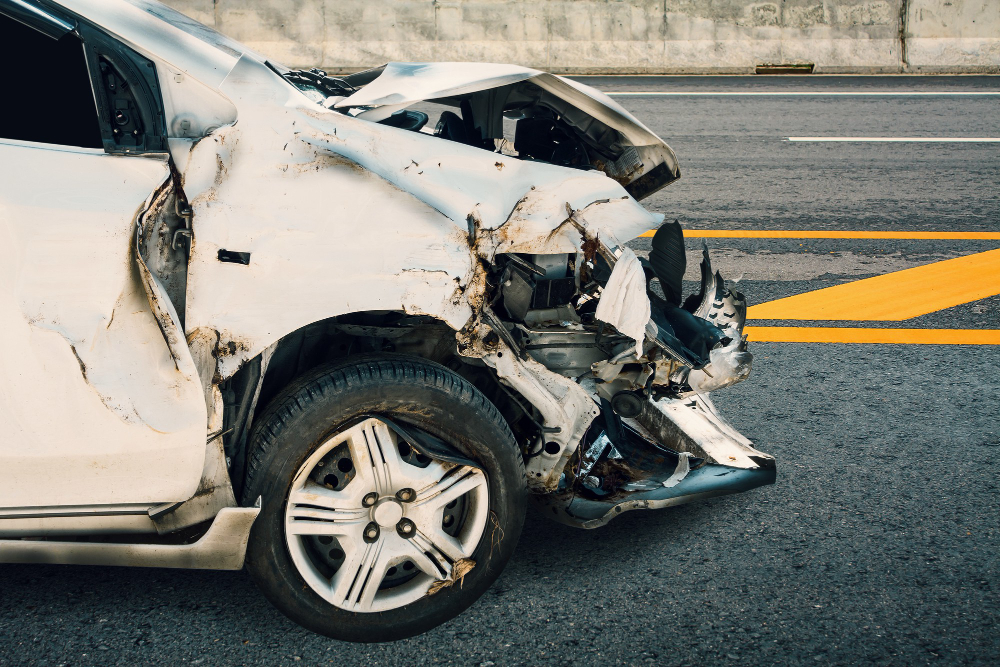
Construction zone accidents present unique risks for Texas drivers as roadwork alters traffic patterns, visibility, and driving expectations. Construction zone car accidents often occur when lanes shift suddenly, warning signs prove unclear, or workers and heavy equipment share limited space with moving vehicles.
In fast growing areas such as Corpus Christi, ongoing infrastructure projects increase exposure to these hazards on both highways and local roads. Work zone accident laws treat these crashes differently because multiple parties may influence safety conditions. Understanding how construction zones change liability and risk helps drivers recognize why these incidents demand closer scrutiny than typical roadway collisions.
How Construction Zones Increase Accident Risk
Construction zones increase accident risk by interrupting the visual and physical cues drivers rely on to make safe decisions. Lane widths change, traffic patterns shift, and familiar reference points disappear. In Texas, work zones often operate alongside active traffic rather than full closures, which forces drivers to adapt in real time while maintaining speed. These sudden adjustments reduce reaction time and increase the likelihood of collisions.
Traffic volume compounds the problem. Many Texas construction zones sit on major highways or busy surface roads that continue to carry heavy commuter and commercial traffic. Drivers may encounter congestion, abrupt slowdowns, or stop-and-go movement with little advance warning. When traffic compresses quickly inside a work zone, rear-end crashes and sideswipes become more likely. Several conditions commonly make construction zones more dangerous than standard roadways, such as:
- Lane shifts that force drivers to merge with little notice or reduced visibility
- Uneven pavement, steel plates, or exposed surfaces near active lanes
- Temporary signage that lacks clarity, consistency, or proper placement
- Construction barriers, cones, and equipment positioned close to traffic
- Limited shoulder space that removes recovery options during emergencies
These hazards often appear together rather than in isolation. A driver performing a lane shift on uneven pavement while watching for workers or equipment has little margin for error. Construction zones amplify small mistakes and turn routine driving decisions into high-risk situations, which explains why construction zone accidents frequently result in serious damage and injuries.
Common Causes of Construction Zone Car Accidents
Construction zone car accidents rarely stem from a single error. These crashes usually occur when temporary road design, traffic flow, and driver behavior collide inside a confined space. Unlike permanent roads, work zones change frequently, which forces drivers to process new information quickly. When those changes lack clarity or consistency, collision risk rises.
Driver Behavior in Active Construction Zones
Drivers often struggle to adjust their habits when road conditions change abruptly. Reduced lanes, close barriers, and compressed traffic require slower speeds and greater attention. When drivers follow too closely or fail to anticipate stops, even minor errors can cause significant collisions. Distraction also plays a major role with:
- Navigation systems
- Phones
- Roadside activity
In a construction zone, the margin for error shrinks, and delayed reactions frequently lead to construction zone crash injuries.
Interaction Between Traffic and Construction Activity
Construction activity introduces large vehicles, workers, and equipment into active traffic areas. Dump trucks, loaders, and utility vehicles often enter or cross lanes, sometimes with limited visibility. Drivers may misjudge speed or distance when these vehicles move unexpectedly. When traffic control fails to clearly separate moving vehicles from work activity, collisions become more likely. Clear boundaries matter. Without them, drivers and construction crews share space in ways that increase the risk of serious injury.
Who Is Liable in Construction Zone Accidents
Liability in construction zone accidents often involves more than one party. Unlike standard crashes, these incidents occur in environments controlled by temporary design decisions rather than permanent road conditions. Responsibility depends on who controlled traffic flow, who created the hazard, and who had authority over safety measures at the time of the crash.
Texas work zone accident laws recognize that multiple entities may influence safety inside a construction zone. Drivers still have a duty to follow posted warnings, but contractors and public agencies also carry obligations to manage traffic safely. When those obligations overlap, determining who is liable in construction zone accidents requires close examination of control and conduct by an auto accident attorney.
How Responsibility Gets Divided in Work Zone Crashes
Drivers may share fault if they speed, ignore warnings, or fail to adjust to changing conditions. However, fault does not rest solely with the driver when unsafe design or poor traffic control contributes to the crash. Courts and personal injury attorneys look at whether conditions gave drivers a fair opportunity to react safely.
Contractors and government entities may bear responsibility when they control signage, lane shifts, barriers, or worker placement. Failure to follow approved traffic control plans or safety standards can expose these parties to construction zone injury claims. Liability often turns on who had authority to correct or prevent the dangerous condition.
Work Zone Accident Laws in Texas
Work zone accident laws in Texas impose stricter expectations because construction zones introduce artificial hazards into active traffic. These laws recognize that lane shifts, barriers, and temporary signage change how drivers receive and process information. As a result, both driver conduct and work zone design receive closer scrutiny after a crash.
Texas applies different rules inside active work zones than on permanent roadways. Enhanced penalties for certain violations reflect the increased risk to workers and drivers. These heightened standards also shape how responsibility gets evaluated when a collision occurs.
Understanding How Texas Regulates Safety Inside Construction Zones
Texas relies on the Texas Manual on Uniform Traffic Control Devices to set minimum standards for work zone signage, markings, barriers, and transitions. Contractors and public agencies must follow these standards to guide traffic safely through temporary conditions. Courts often examine whether signs appeared with enough advance notice and whether lane changes followed required taper lengths.
These regulations also influence liability when construction zone accidents occur. Drivers must respond to posted warnings, but work zone managers must create conditions that allow safe compliance. When traffic control fails to meet required standards, responsibility may extend beyond the driver and into construction zone injury claims.
Construction Zone Injury Claims and Compensation
Construction zone injury claims often involve more than vehicle damage. Drivers, passengers, and workers may suffer serious harm when crashes occur in confined work areas. Construction zone accident compensation focuses on how injuries occurred, who controlled the work zone, and whether safety measures met required standards. These claims differ from ordinary collisions because multiple parties may influence conditions inside the zone.
Work zones also increase the severity of injuries. Barriers, heavy equipment, and reduced escape space amplify impact forces. Construction zone crash injuries frequently require extended medical care and time away from work, which increases the stakes of these claims. Needing a catastrophic injury or wrongful death attorney is common as well.
Types of Injuries and Losses Seen in Construction Zone Claims
Injuries in work zone crashes often involve direct impact with barriers, equipment, or construction vehicles. Sudden lane shifts and abrupt stops also contribute to secondary collisions. Compensation analysis considers both physical harm and financial impact. Common damages addressed in construction zone injury claims include:
- Head, neck, and spinal injuries
- Broken bones and joint damage
- Soft tissue injuries that limit mobility
- Vehicle repair or replacement costs
- Lost income and reduced earning capacity
These losses often extend beyond immediate medical bills. Long recovery periods and ongoing treatment frequently affect daily life and financial stability. Because these cases involve overlapping responsibilities and strict procedural rules, many injured drivers seek guidance from a construction or work zone accident attorney like the Law Office of Joe Brad Brock.
Construction Zone Accidents and Law Office of Joe Brad Brock
Construction zone accidents often involve shifting traffic control, multiple parties, and heightened injury risk. Questions about who is liable in construction zone accidents and what compensation applies depend on control, safety measures, and timing. Drivers hurt in construction zones may benefit from speaking with the Law Office of Joe Brad Brock to discuss how Texas work zone rules apply to their situation.